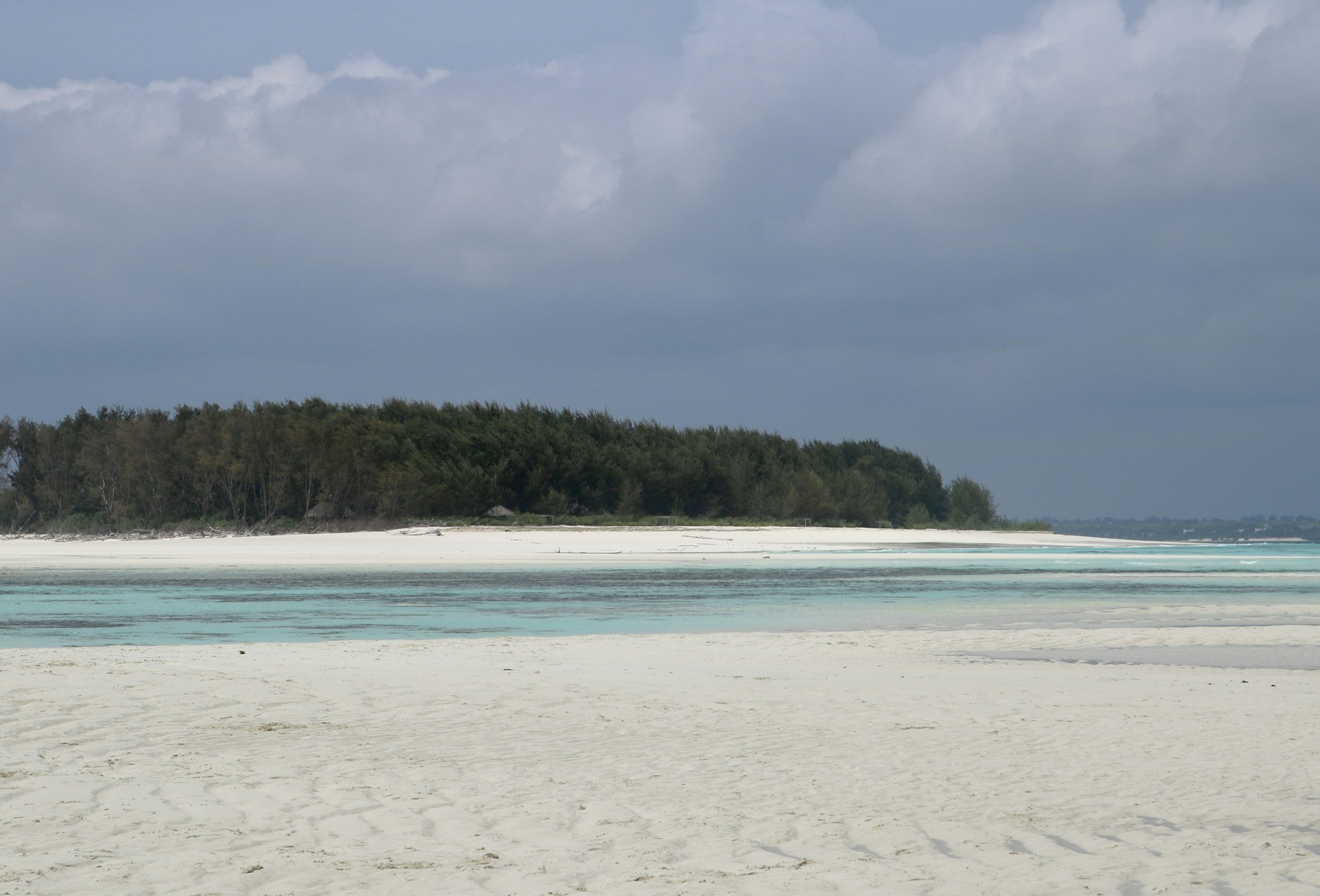
The waters around Mnemba's reef offer a stunning turquoise hue that can't be captured in photos but leaves a lasting impression. Just a short twenty-minute journey from Zanzibar's northeast coast, the atoll is a haven for green turtles, ribbon eels, pods of bottlenose dolphins, and vibrant coral gardens, all accessible with just a snorkel. It's undeniably East Africa's top snorkeling destination, nestled in one of the region's most protected marine environments. The Mnemba Island Marine Conservation Area covers a vast 2,130 hectares of safeguarded reef and waters, demanding strict adherence to environmental protocols to preserve its rich ecosystem. Embarking on a Mnemba Island snorkeling tour provides an exclusive glimpse into this underwater paradise.
Zanzibar's appeal continues to rise, with 736,755 international visitors recorded in 2024, marking a 15.4% increase over the previous year, a trend expected to continue as we approach 2026. Furthermore, Zanzibar's marine park fee revenue is projected to rise to $4.3 million annually, highlighting the importance of conservation efforts.
Mnemba Island itself is a private lodge, inaccessible to day visitors, making the reef the primary attraction. Access has become more exclusive, catering to those who plan their visits meticulously.
The Private Difference: Beyond the Subcontracted Crowd
Many offerings labeled as private Mnemba Island snorkeling tours are misleading. Often, a booking platform collects a deposit, the listing agency takes a margin, and the actual boat is arranged last minute from available operators on Nungwi or Kendwa beaches. This results in guests paying premium rates for subcontracted vessels with unchecked equipment, unvetted crews, and no accountability when issues arise offshore.
With 86% of Zanzibar's visitors falling within the active 15-64 age range, the demand for marine excursions is high, but the rapid fleet expansion has outpaced quality standards.
An in-house fleet is crucial for maintaining quality control: consistent boats, trained captains, regular maintenance, and reliable equipment. A hand-crafted wooden dhow offers a serene and shaded experience, unlike the noisy fiberglass alternatives with outboard motors.
Navigating the Mnemba Island Tour Price and Fees
Understanding the value of a premium tour is key to assessing the Mnemba Island snorkeling price. The difference between a $35 beach-booked seat and a high-end private charter lies in the infrastructure provided.
Premium fares should include:
Private round-trip transfers in air-conditioned vehicles from your hotel, scheduled according to the tide.
Exclusive vessel use — no strangers, no shared itineraries, no waiting for a full boat.
Prepaid marine conservation fees, avoiding cash payments on the beach.
High-quality snorkeling equipment, including prescription masks and flotation aids.
Gourmet catering — fresh seafood, fruit, and drinks, served onboard or on a secluded beach.
A focus on the conservation fee is essential. Typically ranging from $3–10 per person, this fee supports the patrols and reef monitoring necessary to maintain the 2,130-hectare conservation zone. The projected rise in Zanzibar's marine park fee revenue to $4.3 million annually highlights its significance.
Tides and Timing: The Secret to the Sandbank Experience
The sandbank near Mnemba is the iconic image of the excursion: a slender strip of sand emerging from the sea. However, it only appears around low tide and disappears at high tide, becoming a submerged part of the ocean.
This timing is crucial to avoid disappointment. Low tide shifts by about fifty minutes daily, so departure times should adjust accordingly. Operators offering fixed departure times are not aligning with tidal changes, resulting in missed experiences.
Pro tip: Before booking, consult the Zanzibar tide tables to find the low-water window. Confirm with your operator that departure times are tide-dependent. Reputable operators will have this information readily available.
Visibility on the reef is optimal during the incoming tide, so well-planned itineraries arrange snorkeling and sandbank visits accordingly.
Ethical Encounters: Dolphins and Coral Conservation
The dolphin protocol
Bottlenose and spinner dolphins frequent the atoll's waters, and the distinction between a respectful encounter and a disruptive pursuit lies in the captain's approach. A responsible crew positions the dhow in the dolphins' path, idles the engine, and waits for a natural encounter. Guests should enter the water calmly and avoid aggressive swimming toward the dolphins. If the dolphins leave, the encounter ends respectfully.
Reef etiquette
The conservation area requires strict adherence to environmental protocols to protect its 2,130-hectare ecosystem. The no-touch standard is critical: avoid standing on coral, touching turtles, using harmful sunscreen, or allowing fins to contact the substrate. Coral damaged by carelessness can take years to recover.
Gear standards
Quality equipment is vital for conservation and comfort. A well-sealed mask keeps snorkelers horizontal and controlled, while a leaking mask can lead to standing on fragile coral. Properly fitted fins and buoyancy vests prevent panic, which can damage reefs.
What You Need to Know: The Mnemba Essentials
For those comparing operators and itineraries, consider these factors to ensure a successful Mnemba Atoll snorkeling tour:
Choose an operator with its own fleet. Many tours marketed as private are subcontracted, leading to unvetted crews and unchecked equipment.
Ensure marine conservation fees are included. Budget tours often exclude these fees, requiring cash payment at the shore.
Schedule your excursion according to the low-tide window. The Mnemba sandbank is only visible at low tide, so fixed departure times are unreliable.
Request dietary accommodations 24 hours in advance. Standard meals feature grilled seafood, but vegan, vegetarian, halal, and allergy-specific options need prior notice.
Remember that Mnemba Island is a private lodge. Day visitors cannot access the island itself, focusing the experience on the surrounding reef and sandbank.
Curating Your Zanzibar Escape with Naru
The success of a day at Mnemba hinges on logistics. Tide timing, transfer arrangements, equipment condition, and captain expertise are unseen on booking platforms but critical to your experience. End-to-end management is the only way to control these variables.
Naru Zanzibar operates as a boutique specialist, not a volume reseller, with a private fleet of hand-crafted wooden dhows captained by year-round staff. All logistics are handled in-house: tide-based departure times, prepaid conservation fees, and customized catering.
For travelers looking for a private dhow experience around Mnemba, the Naru Signature Dhow Sail combines snorkeling, sailing, and onboard dining aboard a traditional wooden dhow.
For a more social sunset experience, Naru Sip & Sail offers an evening dhow cruise with curated bites, drinks, and Swahili-inspired entertainment.
Travelers who prefer a dedicated snorkeling excursion can also explore the Naru Mnemba Island Experience, designed around the reef and waters surrounding Mnemba. This curated experience showcases the true value of a Mnemba Island snorkeling tour.
For those crafting a luxury snorkeling Zanzibar itinerary — or agents arranging high-end client experiences — these experiences can be incorporated into a wider Zanzibar itinerary with private transportation and coordinated ground support.
